
Tag: SAP
-

The Schedule Said Start. The Shop Floor Said Not Yet.
A production order can be scheduled and released without being ready to run. Reliable execution begins when material, equipment, tooling, people, quality status, and downstream capacity are aligned before the order reaches the shop floor.
-

AI Cannot Automate a Decision the Business Has Never Defined
Business AI cannot resolve decisions the enterprise has never clearly defined. Before designing AI agents, organizations must make their objectives, trade-offs, boundaries, escalation paths, and accountability explicit.
-
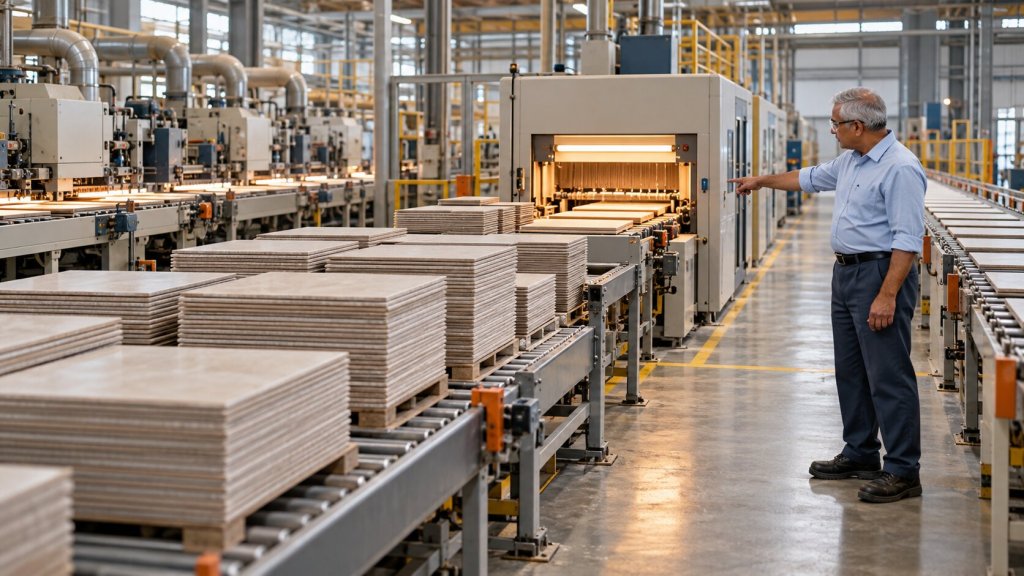
Keeping Every Machine Busy Can Slow the Factory Dow
Keeping every machine busy can increase work-in-process, extend lead times, and make the factory less responsive. Sustainable operational performance comes from synchronizing resources around end-to-end flow—not maximizing every work center independently.
-

An AI Agent Needs Decision Rights, Not Just System Access
As enterprise AI moves from answering questions to executing work, system access is no longer enough. Organizations must define decision scope, business priorities, escalation thresholds, and accountable ownership before giving AI agents meaningful authority.
-

The Shift Handover Is Where Operational Truth Changes Hands
A production process continues even when responsibility changes hands. Effective shift handovers—and effective enterprise workflows—must transfer decisions, risks, ownership and required actions, not merely data and status.
-

A Clean Core Is Not a Project Deliverable
A clean SAP core achieved at go-live will not remain clean automatically. Sustaining it requires continuing ownership, measurable indicators, disciplined exception governance and periodic retirement of capabilities that no longer justify their complexity.
-

A Defect Is Not Just Scrap—It Is a Message From the Process
Rejecting or reworking a defective product protects the customer, but it does not prevent recurrence. Lasting quality improvement begins when the organization treats every meaningful defect as evidence about the process and closes the loop through ownership, corrective action and verification.
-

A Production Plan Is Only as Good as Its Constraints
A production plan may be technically correct and still be operationally unrealistic. Dependable execution requires SAP planning assumptions to reflect real constraints involving capacity, materials, people, quality and time.
-

Thirty Years of SAP: What Changed—and What Did Not
After three decades working with SAP, I have seen the technology change dramatically. Yet the foundations of successful transformation remain consistent: clear business outcomes, simpler processes, reliable data, accountable decisions and sustainable adoption.
-

The Process Does Not Stop at the Department Door
A department can meet its target while the end-to-end process still performs poorly. Manufacturing and SAP transformation both teach us to improve the flow, handoffs and shared accountability across functions.

